
The Power of Doing Things for Fun (Not Money)
Why hobbies that earn you nothing might be the cheapest path to inner peace.
Read article →Personal Blog
Software engineer based in Australia. I love applying an engineering mindset to everyday decisions — making things clear, reducing overthinking, and finding smarter ways to handle money and life.
Here I share practical guides and honest thoughts on property investing, cash flow, and life strategies — all aimed at helping you make confident decisions with less stress.
Why hobbies that earn you nothing might be the cheapest path to inner peace.
Read article →
Stop harvesting your golden eggs. How to set up set-and-forget ETF compounding in Australia without driving yourself crazy.
Read article →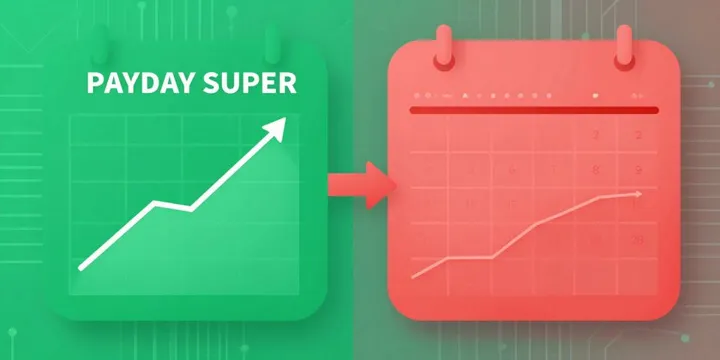
From 1 July 2026, employers must pay super with each pay run instead of quarterly. Here’s what changes and why timing affects how much you retire with.
Read article →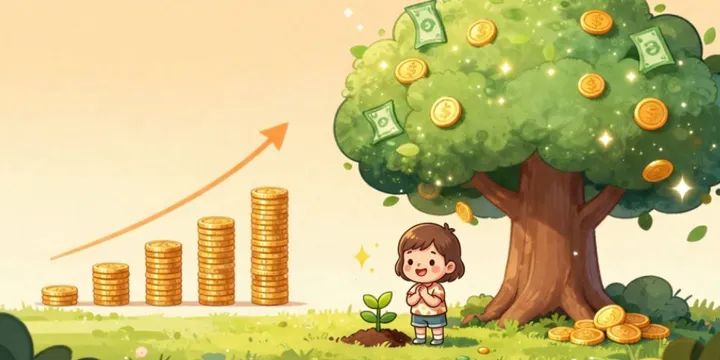
An engineering look at time as a leverage multiplier. See how consistent, early micro-investments outpace late-game hustle every single time.
Read article →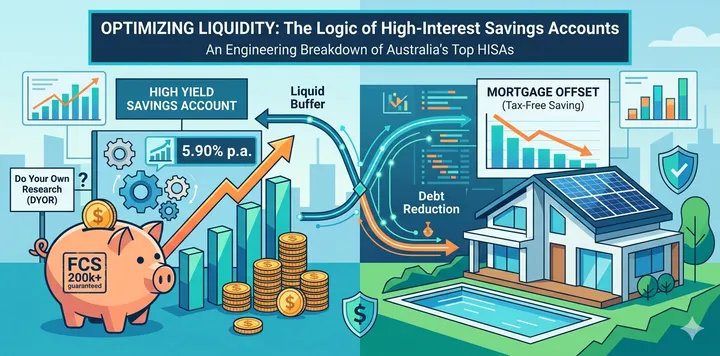
An engineering breakdown of Australia's top high-interest savings accounts, the reality of tax drags, and how to build a liquid system.
Read article →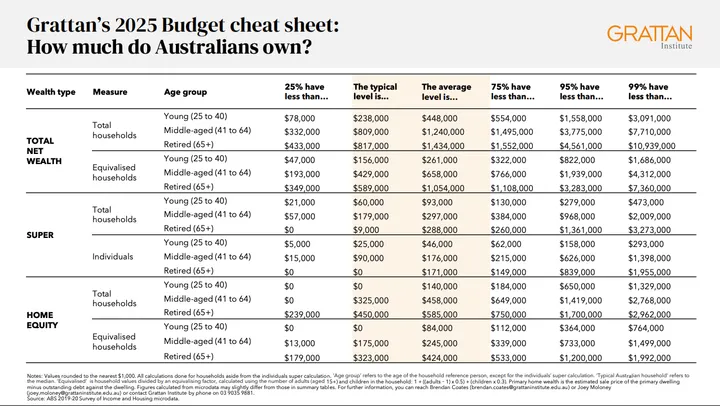
An engineering look at how wealth is distributed across different age groups in Australia based on the latest Grattan Institute data.
Read article →
Learn what an emergency fund is, why you need one, and how to build it for real peace of mind.
Read article →
Is your investment property actually profitable? Uncover the 'silent' expenses that drain your returns beyond just the mortgage.
Read article →
Struggling with rising interest rates and negative cash flow? Learn how to decide whether to sell or hold your investment property in 2026 using real numbers.
Read article →
A systems-thinking approach to decide whether to sell your investment property and eliminate cash flow stress.
Read article →